Permits and road closure rules for Lambeth wedding flowers
Posted on 11/10/2026
If you are planning wedding flowers in Lambeth, there is one thing that can quietly make or break the day: access. The bouquet might be perfect, the ceremony arch might be stunning, and the table flowers might be exactly what you imagined, but if a road closure, loading restriction, or permit issue gets in the way, suddenly the whole schedule feels fragile. That is why understanding Permits and road closure rules for Lambeth wedding flowers matters so much. It is not the glamorous part of wedding planning, to be fair, but it is the part that keeps everything calm, timely, and looking effortless on the day.
This guide breaks it down in plain English. You will learn when permits are likely to matter, how road restrictions affect deliveries, what to ask your florist, and how to avoid the most common late-arrival headaches. If you are arranging floral delivery for a church, hotel, registry office, private venue, or marquee in Lambeth, this is the practical bit worth reading twice.
Quick expert summary: wedding flowers are usually the easy part, until access gets tight. In Lambeth, the key is planning delivery windows, checking loading access, and confirming whether your venue or route is affected by roadworks, event closures, or parking controls. A little preparation saves a lot of stress.
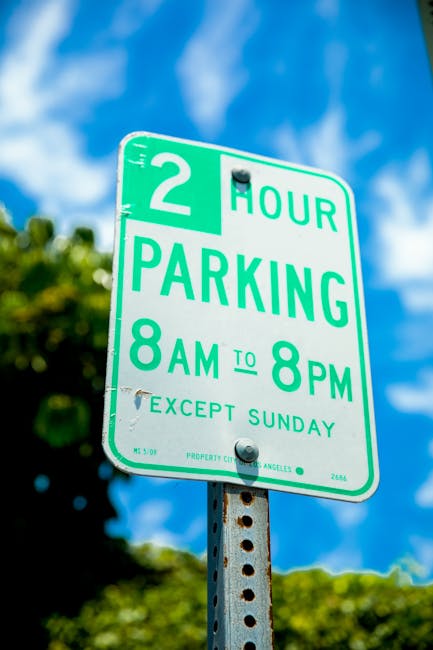
Table of Contents
- Why permits and road closure rules matter
- How it works in practice
- Key benefits and practical advantages
- Who this is for and when it makes sense
- Step-by-step guidance
- Expert tips for better results
- Common mistakes to avoid
- Tools, resources and recommendations
- Law, compliance, standards and best practice
- Options, methods and comparison table
- Case study or real-world example
- Practical checklist
- Conclusion
- Frequently asked questions
Why Permits and road closure rules for Lambeth wedding flowers Matters
Wedding flowers are time-sensitive. Roses wilt, peonies open, stems need water, and brides do not usually want a florist standing on the kerb trying to carry six boxes across a traffic-heavy road. In a busy London borough like Lambeth, road access can change fast. A planned closure, a utility repair, a local event, or even a narrow one-way street can turn a simple delivery into a small logistical puzzle.
That is the real reason permits and road closure rules matter: they protect the timing and presentation of the flowers. The floral team needs a safe place to stop, unload, carry arrangements in, and often set up on a tight schedule. If a van cannot park nearby, the flowers may arrive later than planned or need extra handling. Nobody wants a bridal bouquet rushed through rain and bus traffic five minutes before the ceremony.
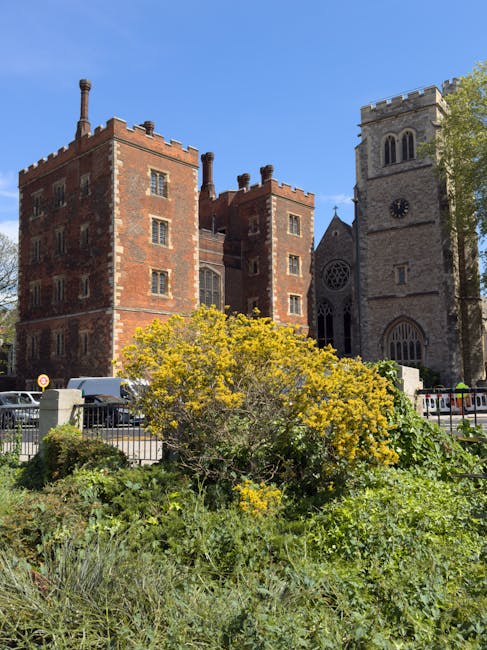
There is also the venue side of it. Some Lambeth venues sit on streets with controlled access, resident parking only, or limited stopping points. Others are in areas where weekend events or council works are more common than you might expect. The question is not just, "Can the flowers be delivered?" It is, "Can they be delivered safely, legally, and on time?"
And yes, the details can feel a bit unglamorous. But the payoff is huge. Smooth access means the florist can focus on design, freshness, and presentation rather than a frustrated loop around the block.
How Permits and road closure rules for Lambeth wedding flowers Works
In practical terms, this topic usually comes down to three things: where the flowers are going, how close a vehicle can get, and whether the route or loading point is restricted. For a wedding delivery, the exact needs will depend on the venue, the size of the order, the time of day, and whether the florist needs to stop briefly or park for longer.
Here is the simple version. If a florist vehicle only needs to stop momentarily in a place where stopping is allowed, the delivery may be straightforward. If the van needs to wait, unload bulky arrangements, or use a bay that is controlled by parking rules, then permission or an agreed arrangement may be needed. If the road itself is closed or access is limited, the delivery may need to be rescheduled, rerouted, or transferred by hand from a nearby legal stopping point.
Sometimes the venue handles access details. Sometimes the couple does. And sometimes the florist has to coordinate with both. That is why wedding flower planning should never be treated as just a product order. It is a small piece of event logistics, really.
In Lambeth, the biggest practical questions are usually:
- Is the venue on a restricted road or within a controlled parking area?
- Will the florist need a loading bay, temporary stop, or wait time?
- Are there roadworks, diversions, or event-related closures nearby?
- Can arrangements be delivered earlier and held safely by the venue if needed?
- Does the florist need help with carrying arrangements from the vehicle to the building?
Once those are clear, the rest becomes much easier. In our experience, half the stress disappears when the delivery route is discussed properly before the weekend, not on the morning itself.
If you are planning a fuller wedding package, it can also help to look at a florist's overall wedding range. For example, wedding collections and bridal bouquets are easier to coordinate when the delivery plan is already clear.
Key Benefits and Practical Advantages
Getting the access side right has benefits that go well beyond administration. The flowers stay fresher, the timings stay tighter, and the whole day feels calmer. That might sound obvious, but wedding mornings have a way of turning obvious things into important things.
- Better flower condition: shorter transfer times and fewer handovers mean bouquets and arrangements arrive looking their best.
- Less wedding-day stress: nobody has to improvise a parking plan outside the venue at 9:40 a.m.
- Smoother supplier coordination: photographers, stylists, and venue teams can all work to a cleaner schedule.
- Lower risk of damage: big installs, arches, or table arrangements are easier to move when access is planned.
- More reliable setup times: florists can set out buttonholes, bouquets, and table flowers without rushing.
There is another benefit that gets overlooked: peace of mind. Once you know the route has been checked and the venue is expecting the delivery, you stop second-guessing every small delay. And honestly, that is worth a lot on a wedding day.
For couples choosing a broader flower package, it also helps to know what can be delivered together. A coordinated order like table arrangements, buttonholes, and a bouquet set can be planned as one delivery rather than several rushed ones.
Who This Is For and When It Makes Sense
This topic matters for anyone arranging wedding flowers in Lambeth where delivery access is not completely straightforward. That includes couples, wedding planners, venue coordinators, and florists working to a fixed installation window.
It makes especially good sense if:
- the venue is on a busy or narrow street
- there is limited parking near the entrance
- the event falls on a weekend with local traffic or community activity
- the floral order includes large displays, arches, or multiple table pieces
- the ceremony and reception are at different locations
- the florist needs time to assemble or place arrangements on-site
It is also relevant for last-minute or same-day wedding flower delivery. If you are relying on quick turnaround, access planning becomes even more important because there is less room for error. A delay of fifteen minutes can mean a lot when the registrar is waiting and the guests are already arriving.
For smaller orders, such as bouquets and a few buttonholes, the delivery may be simple. But do not assume smaller means easier. A tiny order can still be held up by a road closure if the vehicle cannot legally reach the venue. That is the sort of detail that catches people out. Annoying, but common.
Step-by-Step Guidance
Here is a practical way to handle permits and road closure rules without overcomplicating things.
- Confirm the wedding venue address early. Ask for the exact entrance, not just the main building name. Side entrances and service access points can matter more than the postcode.
- Check the delivery day and time window. Morning deliveries are often easier, but not always. Some streets have different restrictions by time of day.
- Ask whether there are loading or waiting restrictions. Even a short stop can be an issue in the wrong place.
- Find out whether the venue has a preferred supplier route. Some venues have a back entrance, lift access, or an agreed delivery point that saves time.
- Look for nearby roadworks, closures, or event traffic. If there is anything likely to affect access, adjust the delivery plan early.
- Agree what happens if the van cannot stop directly outside. A backup plan matters. Sometimes the flowers can be moved in by hand from a nearby legal stopping point.
- Confirm who signs for the delivery. A named person at the venue is ideal, especially for complex orders.
- Keep the florist informed of any late changes. If the ceremony time changes, the route and hold time may need to change too.
Here is the plain-English rule: the earlier you talk about access, the fewer surprises you get. Simple. Not always easy, but simple.
If you are also ordering gifts or extra floral pieces for the wedding party, it can help to plan them in one go through a broader floral order such as wedding gifts or a curated seasonal option from luxury flowers.
Expert Tips for Better Results
After a lot of wedding logistics, one lesson stands out: the best plans are boring in advance and brilliant on the day. That is the sweet spot.
- Send the florist a pinned location. A written address is useful, but a precise delivery point is better. It avoids the classic "we are at the front, no wait, maybe the side entrance?" back-and-forth.
- Build in a buffer. Even if the flowers are planned for a 10:00 a.m. drop, treat 9:30 a.m. as the real target where possible.
- Separate bulky pieces from hand-held items. Bouquets and buttonholes are easy to carry; large arrangements may need more time and space.
- Use the venue team as an ally. Good venues are usually very helpful if they know a delivery is coming.
- Ask about lift access or stairs early. A beautiful staircase is lovely for photos, less lovely when you are carrying a water-heavy arrangement up it.
One small but useful habit: keep a short written delivery note with the florist contact, venue contact, access point, and ceremony time. It sounds old-fashioned. It also works.
If the wedding flowers include mixed items, such as bouquets, buttonholes, and table pieces, consider choosing a florist who can keep the palette consistent across the order. That makes the final setup look polished even if the delivery sequence is a bit messy behind the scenes.
Common Mistakes to Avoid
Most access problems are preventable. The trouble is, they tend to arise from tiny assumptions. A lot of people think someone else has checked the road. Often, nobody has.
- Assuming the venue entrance is easy to use. Not every front door is a practical delivery point.
- Forgetting about wedding-day road closures. Temporary restrictions can appear because of unrelated works or events.
- Leaving delivery timing too tight. If flowers arrive at the same time as guests, someone will be flustered.
- Not confirming who is receiving the delivery. A locked side gate can become a silly little disaster if nobody is expecting the van.
- Ignoring parking and unloading limits. A short stop may still count as a problem in a controlled area.
- Failing to plan for weather. Rain, wind, and heat all affect how long flowers can be left outside or carried across a site.
There is also a human mistake that happens quite a lot: people wait until the week of the wedding to sort logistics. Truth be told, that is when the stress starts nibbling at the edges. Do it sooner and everything feels lighter.
Tools, Resources and Recommendations
You do not need a complicated toolkit, but a few practical items and habits make life much easier.
- Venue access notes: a simple written sheet with entrances, loading instructions, and contact names.
- Delivery timeline: a time plan covering preparation, loading, travel, handover, and setup.
- Route check: a quick review of the likely driving route, especially if there are known restrictions near the venue.
- Backup contact list: florist, venue, wedding planner, and one family member who can answer calmly when the day gets busy.
- Florist order summary: bouquets, buttonholes, table arrangements, and any extra pieces listed clearly so nothing gets missed.
For flower selection, it can also help to browse matching styles before the order is finalised. A couple who likes clean white arrangements, for example, might lean toward white wedding collections or a more romantic option like pure romance wedding collection. The style choice matters because different arrangements have different handling needs.
If you want a general overview of the florist's service scope, it can be useful to read the delivery information and the guarantees page so you know how the business approaches timing and care.
Law, Compliance, Standards and Best Practice
For wedding flower delivery in Lambeth, the key point is that road access and parking must be handled in line with local rules and venue instructions. Exact requirements can vary depending on the street, the time, the kind of vehicle, and whether there is a temporary traffic arrangement in place. Because of that, it is wise to treat all access information as something to verify rather than assume.
Good practice usually means:
- checking whether the delivery location is affected by waiting restrictions, loading limits, or closures
- making sure the florist does not stop in a way that blocks traffic or creates a safety issue
- respecting venue instructions about access points and handover times
- keeping arrangements protected during unloading and short walks to the venue
- planning for a legal fallback point if the exact entrance cannot be used
Where a permit, booking, or special access arrangement is needed, it is usually best handled in advance rather than on the day. If the venue or the florist is responsible, make sure that responsibility is clear. If nobody owns the task, it tends to drift until it becomes urgent. That is the bit nobody needs.
For any wedding-related logistics, the safest route is to document the plan plainly: who is delivering, what time, where they will stop, who will receive the flowers, and what happens if the road is closed. It is not fancy, but it is effective.
Options, Methods, or Comparison Table
Different delivery approaches suit different Lambeth wedding setups. Here is a simple comparison to help you choose what feels realistic.
| Approach | Best for | Pros | Limitations |
|---|---|---|---|
| Direct venue delivery | Venues with easy access and clear unloading space | Fast, efficient, less handling | Depends on parking and road access being open |
| Delivery to a side or service entrance | Venues with controlled main entrances | Often smoother for setup teams | Requires venue guidance and clear directions |
| Hand-carry from nearby legal stopping point | Restricted streets or narrow access areas | Flexible when direct stopping is not possible | More labour, more time, more chance of weather exposure |
| Earlier delivery with venue holding | Busy schedules or complex weddings | Builds in buffer and reduces pressure | Needs safe storage and venue agreement |
In many real weddings, the best option is a blend of the above. For example, bouquets might arrive directly to the couple, while table arrangements are delivered earlier and left with the venue team. That kind of split plan can be very sensible. A bit old-school maybe, but sensible.
Case Study or Real-World Example
Picture a Saturday wedding in Lambeth with a ceremony at one venue and dinner at another nearby location. The florist has bridal bouquets, bridesmaid bouquets, buttonholes, and several table arrangements to deliver. On paper, it seems simple enough. Then the street outside the ceremony venue turns out to have limited stopping space, and there is a nearby road closure that adds a few minutes to the route.
What works in a situation like this?
First, the florist confirms the exact access point with the venue. Not just the name of the building, but the side entrance where staff can receive the flowers. Second, the delivery is set slightly earlier than the ceremony time, giving a buffer if the vehicle needs to park a short distance away. Third, the venue team agrees to accept the bulkier arrangements first, while the bouquets stay protected in water until the bridal party is ready.
The result is not dramatic. Which is the point. The van arrives, the flowers are unloaded without fuss, the table pieces are placed, and the bridal bouquet is handed over in time for photos. No one remembers the access plan later, and that is exactly what good logistics should feel like. Invisible.
This is also why couples often benefit from buying their wedding flowers from a florist who understands both design and delivery. A lovely bouquet is wonderful. A lovely bouquet that also arrives on time through a tricky Lambeth street is better.
Practical Checklist
Use this checklist before the wedding week starts. Honestly, it saves a lot of back-and-forth.
- Confirm the wedding venue address and exact delivery entrance
- Check whether the road has any waiting, loading, or access restrictions
- Ask the venue about service entrances, lifts, stairs, and loading bays
- Share the ceremony time and any setup deadline with the florist
- Make sure someone will be present to receive the flowers
- Plan a backup stopping point if direct access is blocked
- Account for roadworks, diversions, or event traffic
- Keep bouquets and delicate pieces separate from large installations
- Confirm the florist has a contact number for the venue on the day
- Recheck the delivery plan 24 hours before the wedding
If you are ordering a full floral set, it can help to look at related pieces like bridesmaid bouquets and wedding corsages at the same time so the whole order travels as one coordinated delivery.
Conclusion
Permits and road closure rules for Lambeth wedding flowers are not the most romantic part of planning a wedding, but they are one of the most important practical details. Once you know how access works, where the restrictions are, and who is responsible for what, the whole process becomes calmer and far more predictable.
The best weddings do not feel rushed behind the scenes. They feel graceful. Flowers arrive fresh, the venue staff know what is coming, and nobody is standing in the street with a cardboard box and crossed fingers. That is the standard worth aiming for.
If you are still shaping your floral plan, choose arrangements that suit both the style of the day and the reality of the venue. That balance is what makes everything feel easy on the morning, even when a lot has happened to make it so.
Get a free quote today and see how much you can save.
And if one thing stays with you from this guide, let it be this: a little access planning goes a very long way.
Frequently Asked Questions
Do I need a permit for wedding flower delivery in Lambeth?
Not always. It depends on the street, the type of stop required, and whether the vehicle needs to wait or load in a restricted area. Many deliveries are straightforward, but if the venue is on a controlled road or near a closure, it is wise to check in advance.
How do road closures affect wedding flower delivery?
Road closures can change the route, add extra travel time, or force the florist to unload from a different location. For wedding flowers, that can affect freshness and timing, so any known closure should be built into the plan early.
Who is responsible for checking access and parking?
Usually it is shared. The couple, the florist, and the venue all have a part to play. In practice, the venue often knows the access rules best, while the florist knows what kind of stopping space is actually workable for the delivery.
What should I tell my florist before the wedding day?
Give them the exact venue address, the delivery entrance, the ceremony time, the contact name on site, and any known parking or access restrictions. If possible, also tell them whether there are stairs, lifts, or a side entrance.
Can flowers be delivered earlier and held by the venue?
Yes, often they can, provided the venue agrees and there is a safe place to store them. This is a sensible option for busy Lambeth locations or tighter delivery windows.
What happens if the florist cannot stop outside the venue?
The florist may need to use a nearby legal stopping point and carry the flowers in by hand. That is why a backup access plan matters. It is not ideal, but it can work well if it has been thought through beforehand.
Are same-day wedding flower deliveries more risky?
They can be, mainly because there is less time to absorb delays. Same-day orders are very manageable in many cases, but they benefit from clear access instructions and a flexible delivery window.
Do large floral arrangements need special access planning?
Yes. Large arches, table installations, and statement pieces often need more space, more time, and closer vehicle access than bouquets or buttonholes. The bigger the arrangement, the more useful a good access plan becomes.
Should I check roadworks even if the wedding is at a familiar venue?
Yes. Familiar venues can still be affected by temporary works, events, or short-term restrictions. It is one of those boring checks that saves a lot of grief later. Worth it, absolutely.
What if my florist is delivering multiple wedding items at once?
That is common, and it can actually be helpful because everything arrives in one coordinated drop. Just make sure the timing, order of handover, and storage space are clear so bouquets, buttonholes, and table flowers are handled properly.
How far in advance should access details be confirmed?
As early as possible, ideally during the booking stage or when the venue is confirmed. The closer you get to the wedding date, the less room there is to react if something changes.
What is the biggest mistake couples make with flower delivery access?
The most common mistake is assuming the venue is easy to reach without checking. A short stop may look simple on a map, but in real life it can be affected by parking rules, closures, narrow roads, or other events. A ten-minute conversation upfront prevents a lot of last-minute scrambling.